
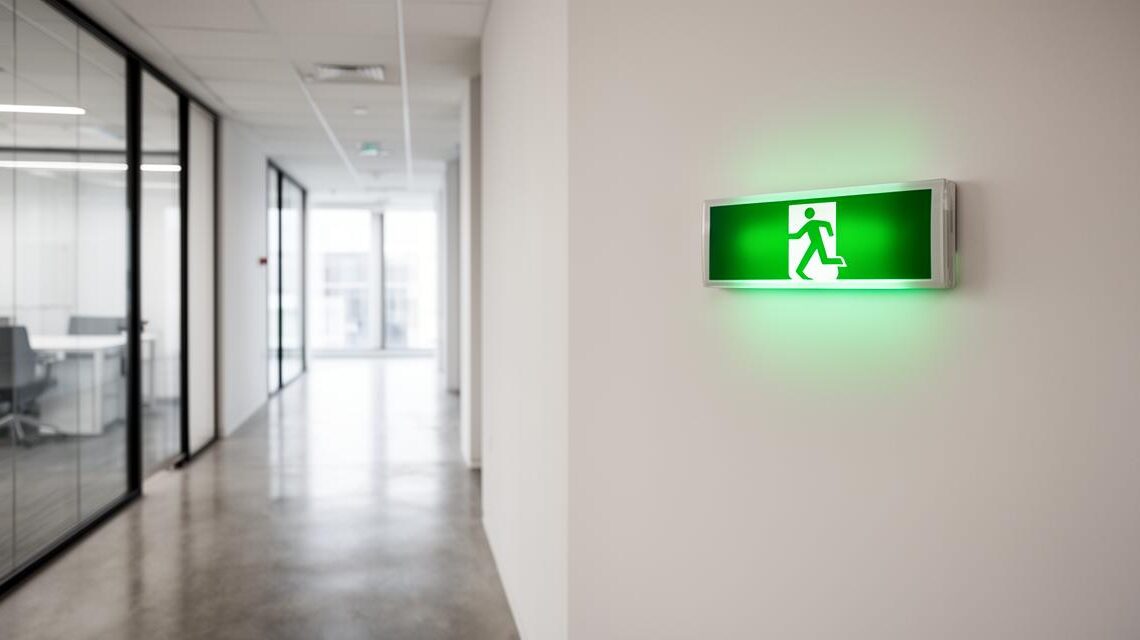
Top 7 best safety signs in 2026: A comparison of Seton, Jalite, Stocksigns, Viking Signs, SafetySigns4Less, Messagemaker, and The Sign Shed
Selecting the right safety signage supplier has become more critical than ever for businesses across the United Kingdom as we move further into 2026. With evolving regulatory requirements, heightened workplace safety compliance standards, and a growing emphasis on sustainable manufacturing practices, organisations must carefully evaluate their options when it comes to safety signs. This comparison examines seven leading providers in the market, each bringing distinct strengths to the table, from comprehensive product ranges to specialised expertise in photoluminescent signage and traffic management solutions.
| Supplier | Specialisation | Customer Rating | Key Strength | Sustainability | Delivery Service |
|---|---|---|---|---|---|
| Seton | Comprehensive safety solutions with 50,000+ products | 1.6/5 (Trustpilot, 25 reviews) | Extensive product range including 30,000+ ISO 7010 pictograms and PPE | Not specified | Rapid delivery, though some delays reported |
| Jalite | Photoluminescent signage specialist since 1983 | Not specified | Emergency fire safety signs visible during power outages, exported to 100+ countries | Low maintenance photoluminescent technology | Not specified |
| Stocksigns | In-house manufacturing with 70 years' experience | 4.9/5 (Trustpilot, 1,136 reviews) | ISO-accredited manufacturing with direct quality control | Net Zero manufacturer, generated £2.26m social value (2024) | Regular delivery, current 40% discount on vinyl/plastic signs |
| Viking Signs | Mid-sized provider with personalised service | Not specified | Bespoke signage and sector-specific solutions | Not specified | Not specified |
| SafetySigns4Less | Value-focused provider with competitive pricing | Not specified | Cost-effective solutions for budget-conscious organisations | Not specified | Free delivery options available |
| Messagemaker | LED traffic signage and variable message systems | Positive testimonials | Dynamic traffic management with Vehicle Activated Speed signs and VMS | Net zero target by 2030, energy-efficient LED technology | Not specified |
| The Sign Shed | Made in Britain member with comprehensive range | 5/5 (nearly 5,000 reviews) | Exceptional customer satisfaction with customisable options | British manufacturing | Same-day dispatch for orders by 2pm, free delivery over £25 |
Seton
When discussing panneaux de sécurité and the broader landscape of workplace safety compliance, Seton stands out as one of the marques leaders in the United Kingdom. Based in Banbury, this established supplier has built a formidable reputation through decades of service to businesses seeking comprehensive health and safety solutions. The company's extensive catalogue encompasses more than fifty thousand products, ranging from traditional safety signs to personal protective equipment, custom signage solutions, and even smart technologies designed to modernise workplace safety management. Seton's commitment to regulatory compliance is evident in its adherence to ISO 7010 and BS standards, ensuring that every product meets the stringent requirements expected by businesses operating in today's demanding environment.
Product range and customer service excellence
Seton's comprehensive approach to safety signage suppliers positions it as a one-stop destination for organisations seeking to fulfil their workplace safety obligations. The company operates with convenient business hours from Monday through Friday, between half past eight in the morning and half past five in the evening, providing accessible support to clients navigating their safety requirements. Among its offerings are over thirty thousand ISO 7010 pictograms that cover an extensive array of hazards, from fire safety signs to emergency exit signs, prohibition signs, mandatory action signs, and warning signs. This breadth of selection ensures that businesses across diverse sectors can find precisely the signage they require without needing to source from multiple suppliers.
The company's rapid delivery services have become a hallmark of its customer service excellence, allowing businesses to address safety compliance needs without unnecessary delays. Seton's catalogue extends beyond static signage to include bespoke signage solutions tailored to specific operational requirements, enabling organisations to address unique safety challenges with customised approaches. The availability of PPE equipment alongside signage creates a convenient procurement experience for safety managers responsible for equipping their workplaces comprehensively. However, it is worth noting that whilst Seton offers an impressive product range, customer feedback on platforms such as Trustpilot reveals a mixed picture, with a TrustScore of one point six out of five based on twenty-five reviews, with some customers reporting delivery delays that occasionally impact project timelines.
Compliance and technical expertise
Seton's technical expertise in regulatory compliance represents one of its most valuable assets for businesses navigating the complex landscape of workplace safety regulations. The company's products align with the ISO 7010 standard, which was initially published in 2003, approved in 2011, and subsequently updated in 2019 to reflect evolving best practices in safety pictograms. This global framework for safety symbols ensures consistency across international operations, making Seton particularly valuable for multinational firms requiring standardised signage across multiple locations. UK safety regulations mandate that signs clearly indicate specific actions necessary to manage health risks, and Seton's offerings are designed with these requirements at the forefront.
The technical guidance provided by Seton extends to proper installation practices, with recommendations that signs should be positioned at eye level, approximately one point six metres from the ground, with adequate lighting to ensure visibility in all conditions. The ISO 7010 standard distinguishes signs using different shapes and colours, with emergency exit signs requiring specific design features to remain visible during emergencies, and mandatory signs appearing in blue circles to indicate required actions or necessary PPE. Construction site signage presents particular challenges due to constantly changing conditions, requiring flexible and durable solutions that can withstand harsh environments whilst maintaining legibility. Seton's experience in serving various industries means it can offer informed guidance on these nuanced requirements, helping clients select appropriate materials and designs that balance durability with visibility. Fire exit signs must follow strict design standards to ensure they remain effective when needed most, and Seton's compliance with these specifications provides assurance to organisations that their emergency preparedness measures meet legal obligations.
Jalite
Jalite represents a fascinating case study in specialisation within the safety signage market, having carved out a distinctive position as a British family-owned business since its founding in 1983. Operating from its facility at Wins House on the Pipps Hill Industrial Estate in Basildon, Essex, this manufacturer has built its reputation around photoluminescent signage technology, an innovation that addresses critical visibility challenges during power failures and emergency situations. The company's focus on photoluminescent fire safety signs reflects a deep understanding of the unique requirements that arise when conventional lighting systems fail, precisely when clear wayfinding becomes most essential for building occupants seeking escape routes.
Photoluminescent technology and fire safety innovation
The photoluminescent materials employed by Jalite represent a significant technological advancement in emergency signage, charging from ambient light sources during normal conditions and providing sustained visibility during power outages or smoke-filled environments. This approach offers distinct advantages over traditional illuminated signage, with slower degradation rates ensuring reliability over extended periods without the maintenance requirements associated with electrical emergency lighting systems. Jalite's products comply with an impressive array of standards, including BS EN ISO 7010:2020, BS 5499-4:2013, BS ISO 3864-1:2011, and DIN 67 510 Part 1:2020, demonstrating the company's commitment to meeting both British and international specifications for safety signage.
The legal framework surrounding escape route signage provides context for Jalite's specialisation, with The Health and Safety Signs and Signals Regulations 1996 and The Regulatory Reform Fire Safety Order 2005 mandating appropriate emergency wayfinding in commercial and residential buildings. Recent legislative developments have reinforced these requirements, with The Fire Safety England Regulations 2022 introducing new obligations for high-rise residential buildings exceeding eighteen metres in height, now requiring installation of compliant wayfinding signs throughout common areas and escape routes. Statistics highlighting public awareness gaps underscore the importance of effective signage, with research indicating that fifty-seven per cent of the public cannot identify a faulty fire door, whilst forty-nine per cent of those who do recognise such faults would not report them, creating potential safety vulnerabilities that clear signage helps to mitigate.
International reach and technical support
Jalite's international footprint extends well beyond the United Kingdom, with products developed for deployment in over one hundred countries, often incorporating multilingual signage to meet local language requirements whilst maintaining the universal clarity of ISO 7010 pictograms. This global perspective informs the company's product development, ensuring that solutions remain effective across diverse cultural contexts and regulatory environments. The company maintains contact facilities in multiple regions, though recent organisational transitions have centralised certain functions, with Jalite Asia now handled through the UK team to provide enhanced coordination and support.
Technical support represents a cornerstone of Jalite's service proposition, with in-house research and development capabilities enabling the company to offer guidance on compliance and best practices for fire safety signage. The company provides detailed audits and reviews of existing fire safety sign installations, helping organisations assess whether their current provisions meet contemporary standards and identifying areas where improvements may be necessary. The viewing distance for photoluminescent signs is defined by the Z factor, calculated by dividing viewing distance by sign height, with various size options available including dimensions such as 150 by 150 millimetres, 150 by 200 millimetres, and 200 by 300 millimetres to accommodate different spatial requirements. Material codes distinguish between JALITE AAA photoluminescent rigid PVC and standard white rigid PVC options, with framing solutions available to enhance the professional appearance and durability of installations. Contact information for technical enquiries is available through the company's main telephone line at 01268 242300, providing direct access to expertise that can help navigate the complexities of regulatory compliance.
Stocksigns
Stocksigns brings seven decades of manufacturing experience to the safety signage market, operating from its Surrey facility with a heritage stretching back through three generations of British manufacturing. This longevity speaks to the company's ability to adapt to changing market demands whilst maintaining the quality standards that have sustained its reputation throughout the decades. The company's current positioning emphasises sustainability alongside traditional manufacturing excellence, having achieved Net Zero manufacturer status and generated over two million pounds in social value during 2024 alone, demonstrating that commercial success and environmental responsibility can coexist productively.
Manufacturing capabilities and quality standards
The in-house manufacturing capabilities at Stocksigns represent a significant competitive advantage, enabling the company to maintain direct control over quality whilst offering flexibility in customisation that purely trade-based suppliers cannot match. High-quality signage is manufactured using ISO-accredited processes, providing assurance that products meet recognised international standards for consistency and performance. The company's product categories span construction site signage, environmental signs, fire safety signs, and an array of specialised applications, reflecting the diverse needs of contemporary businesses across multiple sectors.
Customer satisfaction metrics provide objective validation of Stocksigns' performance, with a Trustpilot rating of four point nine out of five based on 1,136 reviews positioning the company among the highest-rated suppliers in the market. This substantial volume of feedback offers prospective clients confidence that the positive ratings reflect genuine customer experiences rather than isolated cases. Current promotional activities include a forty per cent discount on all vinyl and plastic signs alongside price reductions on site signs, creating opportunities for organisations to upgrade or expand their safety signage installations whilst managing budgetary constraints. The company's trade account application process is free of charge, opening access to exclusive pricing and services that can deliver ongoing value for businesses with regular signage requirements.
Sustainability and social value creation
Stocksigns' commitment to sustainable manufacturing practices distinguishes it within a market where environmental credentials are increasingly important to procurement decisions. Achieving Net Zero status requires comprehensive assessment of carbon emissions across the entire production process, from raw material sourcing through manufacturing operations to distribution logistics, representing a substantial organisational commitment rather than superficial marketing. The generation of over two point two six million pounds in social value during 2024 demonstrates that the company's sustainability agenda extends beyond environmental concerns to encompass broader community impact, though the specific mechanisms through which this value is generated and measured would benefit from transparency for stakeholders seeking to understand the practical implications of these figures.
The emphasis on sustainability aligns with broader market trends as organisations face increasing pressure from stakeholders to demonstrate environmental responsibility throughout their supply chains. Energy-efficient signage options and durable materials that extend product lifecycles reduce the environmental footprint associated with frequent replacements, whilst in-house manufacturing in the United Kingdom minimises transportation-related emissions compared to imported alternatives. Recent market insights highlight growth in sectors such as data centres and EV infrastructure, both of which present opportunities for suppliers like Stocksigns to provide specialised signage solutions for emerging applications. The company's experience in serving various industries positions it well to address the nuanced requirements of these expanding sectors, where technical complexity demands suppliers capable of translating operational needs into effective visual communication.
Viking signs
Viking Signs enters this comparison as a provider whose specific operational details remain less extensively documented within the available research materials, suggesting a company that may operate with a lower public profile than some of the more prominently marketed competitors. This does not necessarily indicate inferior capabilities or service quality, as many successful suppliers in the business-to-business segment build their reputations through direct client relationships and word-of-mouth recommendations rather than extensive consumer-facing marketing efforts. Understanding Viking Signs' positioning requires examination of how it fits within the broader competitive landscape of safety signage suppliers serving the United Kingdom market.
Market position and service approach
The safety signage market accommodates suppliers with varying business models, from large catalogue operations serving diverse general requirements to specialised providers focusing on particular product categories or client segments. Viking Signs appears to operate within this spectrum, likely serving clients who value attributes such as competitive pricing, reliable delivery, and straightforward procurement processes without the complexities that can accompany dealing with very large suppliers. Many mid-sized providers successfully compete by offering more personalised service than their larger competitors can provide, with account managers who develop familiarity with individual clients' recurring needs and can anticipate requirements based on established patterns.
The importance of responsive customer service in the safety signage sector cannot be overstated, as compliance deadlines and operational urgency often create time-sensitive procurement situations where efficient communication makes the difference between successful project completion and frustrating delays. Suppliers who maintain accessible communication channels and empower their teams to make decisions without excessive bureaucratic processes can deliver superior customer experiences even when their product ranges may not match the breadth of industry giants. Trade account services represent a key differentiator in this market, with favourable terms and streamlined reordering processes creating ongoing value that extends beyond initial purchase pricing.

Product offering and industry applications
Safety signage requirements vary considerably across different industrial applications, from manufacturing facilities requiring extensive hazard warnings and mandatory PPE notifications to office environments where wayfinding signage and fire safety indicators predominate. Successful suppliers demonstrate understanding of these sector-specific needs, offering not merely generic products but solutions tailored to the operational contexts in which they will be deployed. The ability to provide guidance on regulatory compliance represents significant value, particularly for smaller organisations that may lack dedicated health and safety expertise and rely upon their suppliers to help navigate the complex landscape of legal obligations.
Bespoke signage solutions address situations where standardised products cannot adequately communicate site-specific hazards or operational requirements, requiring customisation in messaging, dimensions, materials, or mounting arrangements. The capability to deliver these tailored solutions separates full-service suppliers from those operating purely as product distributors, with in-house design and manufacturing capabilities enabling responsive service to unusual requirements. Construction site signage presents particularly diverse challenges, with temporary installations requiring robust materials capable of withstanding harsh environmental conditions whilst remaining readily relocatable as site layouts evolve throughout project lifecycles. Traffic management signs for construction and civil engineering applications demand high visibility and weather resistance, with reflective materials ensuring effectiveness during low-light conditions when site operations may continue or when signage must remain visible to passing traffic on adjacent roadways.
Safetysigns4less
SafetySigns4Less positions itself, as the name suggests, with an emphasis on competitive pricing within the safety signage market, addressing the price-sensitive segment of customers for whom value represents a primary purchasing consideration. This positioning reflects recognition that whilst all organisations must comply with safety regulations, budgetary constraints vary considerably, with some buyers prioritising the lowest possible cost for compliant products whilst others place greater emphasis on service levels, customisation capabilities, or supplier reputation. The value-focused segment of the market remains substantial, particularly among smaller businesses, temporary operations, and organisations in sectors facing economic pressures that necessitate careful cost management across all expenditure categories.
Value proposition and product accessibility
The emphasis on competitive pricing need not imply compromised quality, as efficient operations, streamlined product ranges, and direct-to-consumer business models can enable suppliers to offer lower prices whilst maintaining appropriate quality standards for regulatory compliance. The challenge for value-oriented suppliers lies in clearly communicating where cost savings originate, whether through operational efficiency, reduced service levels, or limitations in product customisation, ensuring that customers make informed decisions about whether the trade-offs align with their specific requirements. Free delivery options enhance the value proposition, with threshold amounts typically set to encourage order consolidation whilst remaining accessible to smaller purchasers.
Product accessibility extends beyond pricing to encompass the ease with which customers can identify appropriate products for their specific needs, place orders efficiently, and receive timely delivery. User-friendly online ordering systems reduce the friction in procurement processes, enabling customers to complete transactions without extensive interaction with sales representatives, though this efficiency must be balanced against the availability of expert guidance when customers face uncertainty about product selection or regulatory requirements. Same-day dispatch services offered by some competitors set aggressive benchmarks for delivery speed, creating customer expectations that value-focused suppliers must address either by matching these standards or by clearly communicating realistic delivery timeframes that allow customers to plan accordingly.
Compliance and standards adherence
Regardless of price positioning, all safety signage suppliers operating in the United Kingdom market must ensure their products comply with relevant regulatory standards, as non-compliant signage creates both legal liabilities for purchasers and reputational risks for suppliers. BS standards compliance and adherence to ISO 7010 standards represent non-negotiable baseline requirements, with safety pictograms requiring specific colours, shapes, and symbol designs to ensure consistent interpretation across different contexts and viewer populations. Prohibition signs utilise red circular borders with diagonal lines to indicate forbidden actions, mandatory action signs employ blue circles to denote required behaviours, and warning signs feature yellow triangular backgrounds to highlight hazards requiring caution.
The regulatory compliance landscape continues to evolve, with periodic updates to standards reflecting technological advances, emerging hazards, and improved understanding of effective visual communication principles. Suppliers must maintain awareness of these developments to ensure their product offerings remain current, whilst also managing inventory transitions to avoid selling outdated designs that may not meet contemporary standards. Fire safety signs face particularly stringent requirements given the life-safety implications of their function, with specifications covering luminance levels, viewing distances, and mounting heights all designed to ensure effectiveness during emergency conditions when visibility may be compromised by smoke or power failures. Emergency exit signs must incorporate specific colours and directional indicators that remain universally recognisable regardless of language capabilities, supporting the needs of diverse workforces and visitors unfamiliar with building layouts.
Messagemaker
Messagemaker occupies a distinctive niche within the safety signage landscape, focusing on LED traffic signage and variable message systems rather than traditional static signage products. This specialisation addresses the growing sophistication of traffic management requirements, where dynamic information delivery enables responsive adaptation to changing road conditions, temporary hazards, and traffic flow management needs that static signage cannot accommodate. The company's emphasis on energy-efficient technology reflects broader market trends towards sustainable operations, with LED traffic signage consuming substantially less power than older illuminated systems whilst delivering superior visibility and reliability.
Led technology and traffic management solutions
Messagemaker Displays has established itself as a leading United Kingdom supplier of LED signage solutions, with products specifically engineered for deployment on the UK Highways network and local road infrastructure. The product range includes Vehicle Activated Speed signs designed to address local speeding issues through real-time feedback to drivers, Variable Message Signs that provide vital safety information about road conditions or incidents, and bespoke solutions tailored to specific traffic management scenarios. All LED signage units utilise low-powered SMD technology, delivering energy efficiency without compromising visibility, whilst robust construction ensures durability in challenging outdoor environments with minimal maintenance requirements.
The categories of signage solutions span motorway applications, industrial sites, local and urban roads, tunnel and tidal flow systems, and temporary traffic management for construction zones or special events. This breadth of application demonstrates the versatility of LED technology in addressing diverse traffic management challenges, from high-speed motorway environments requiring long viewing distances to urban settings where space constraints demand compact installations. The company's focus on bespoke software for VMS management enables clients to update messaging remotely, responding to changing conditions without physical access to sign locations, enhancing operational flexibility particularly valuable for managing extensive road networks or temporary installations across multiple sites.
Sustainability and corporate responsibility
Messagemaker's commitment to achieving net zero emissions by 2030 positions the company among suppliers taking proactive steps to address climate change concerns, with this target requiring comprehensive assessment of emissions across operations, supply chains, and product lifecycles. The energy efficiency inherent in LED technology contributes to this sustainability agenda, as reduced power consumption during product operation diminishes the overall carbon footprint associated with traffic management infrastructure. Customer testimonials highlighting good service demonstrate that operational efficiency and environmental responsibility need not come at the expense of customer satisfaction, with the company maintaining strong relationships with councils and facility services clients whose procurement decisions increasingly incorporate sustainability criteria alongside traditional considerations of performance and cost.
The company's Demo Room provides prospective clients with opportunities to evaluate products first-hand, understanding functionality and visibility characteristics before committing to purchases, particularly valuable for large infrastructure investments where performance verification helps mitigate procurement risks. Corporate social responsibility initiatives involving community engagement demonstrate that the company's values extend beyond commercial objectives to encompass broader social contributions, though specific details of these programmes would enhance understanding of their nature and impact. Contact information including telephone number 01737 774738 and email address [email protected] provides accessible channels for enquiries, with technical support services helping clients navigate the complexities of selecting and deploying LED traffic signage systems appropriate to their specific operational requirements and regulatory obligations.
The sign shed
The Sign Shed distinguishes itself through exceptional customer satisfaction metrics, with a five-star rating based on nearly five thousand reviews representing one of the strongest reputational profiles among safety signage suppliers in the United Kingdom market. This substantial volume of positive feedback provides compelling evidence of consistent service quality, as maintaining such ratings across thousands of customer interactions requires sustained excellence rather than isolated exceptional experiences. The company's membership in the Made in Britain organisation signals commitment to domestic manufacturing, appealing to customers who value supporting British industry whilst potentially benefiting from shorter supply chains and easier communication compared to dealing with overseas manufacturers.
Customer service and delivery performance
The Sign Shed's operational model emphasises rapid fulfilment, with same-day dispatch available for orders received by two o'clock in the afternoon on weekdays, enabling customers facing urgent compliance needs or unexpected signage damage to receive replacement products swiftly. Free delivery on orders exceeding twenty-five pounds removes a common friction point in procurement processes, particularly for smaller orders where delivery charges can represent a significant proportion of total transaction costs. This threshold remains accessible even for modest purchases, encouraging customers to consolidate requirements without imposing unreasonable minimum order constraints that might force unnecessary inventory accumulation.
The availability of bulk discounts reaching thirty per cent creates incentives for larger purchases whilst recognising the economy of scale benefits that arise from consolidated orders, both in terms of supplier operational efficiency and customer inventory management. The company's emphasis on common sense in health and safety, reflected in its corporate communications, suggests an approachable style that avoids unnecessary complexity whilst maintaining appropriate rigour in addressing regulatory requirements. Contact channels including telephone number 01977 220000 and email address [email protected] provide multiple options for customer interaction, accommodating different communication preferences and ensuring accessibility regardless of whether customers prefer immediate telephone dialogue or the asynchronous convenience of email correspondence.
Product range and customisation capabilities
The product range at The Sign Shed encompasses hazard signs, food safety signage, door identification, and fire signs, addressing the core requirements of most commercial and industrial environments without the overwhelming breadth that can make product selection challenging for customers unfamiliar with technical distinctions between similar options. The availability of customisable signs enables the company to address specific client requirements that standardised products cannot accommodate, whether through bespoke messaging, unusual dimensions, or specialised materials suited to particular environmental conditions. This flexibility represents significant value for organisations with unique operational characteristics or aesthetic requirements that standard catalogue items cannot satisfy.
The company's advocacy for signage as essential elements of accident prevention reflects understanding that effective safety signage serves proactive rather than merely compliance-driven purposes, with well-designed wayfinding and hazard communication reducing incident rates through clear guidance that shapes behaviour before hazardous situations develop. This perspective aligns with contemporary approaches to workplace safety that emphasise prevention over reaction, recognising that regulatory compliance represents a minimum threshold rather than an aspirational target. The diversity of sign categories available, from prohibition signs communicating forbidden actions through mandatory action signs indicating required protective equipment to warning signs highlighting environmental or operational hazards, ensures comprehensive coverage of the visual communication needs arising across different operational contexts and regulatory frameworks governing various industries and building types throughout the United Kingdom.